
The Honest Truth About Block Paving Driveway Cleaning (And Why Most People Leave It Too Late)
Let’s be honest. Most driveways in the UK look absolutely fine until one day they really don’t. You step outside, glance down, and the whole thing has turned some grim shade of green. Or there’s a stubborn black patch near where the car always parks that wasn’t there last summer. Or the weeds have quietly taken over the joints and now look completely at home.
Block paving driveway cleaning is the kind of job that creeps up on you. It never happens overnight, but the neglect builds up steadily until suddenly it looks years older than it should. The good news is that it doesn’t need to stay that way, and sorting it out is a lot more straightforward than most people assume.
What is Block Paving Driveway Cleaning?
Block paving is the kind of surface made up of individual concrete or clay bricks laid in a pattern, very common on driveways across Essex and the wider UK. It looks proper smart when it’s freshly laid. The trouble is those small gaps between each block act like little collection points for dirt, moisture, seeds, and anything else that fancies settling in.
Block paving driveway cleaning covers a lot more ground than running a garden hose over it. The work involves lifting years of ingrained muck off the surface, clearing out the joints, dealing with any biological growth like moss or algae, and most of the time finishing with a sealant so the whole thing holds up properly going forward.
Think of it less as a single task and more as a proper treatment for the surface.
Why Driveway Cleaning and Sealing Matters
People often stop at cleaning. Get it looking tidy, and leave it at that. That works short term, but driveway cleaning and sealing used together is what gives the surface any real staying power.
Cleaning takes away what’s already there. Sealing builds a layer of protection that slows down how fast the grime, weeds, and moisture find their way back in.
Block paving without sealant is porous, meaning water gets absorbed straight into the surface. During colder months that water freezes, expands slightly, and over time works away at the structure underneath. Add in regular oil drips, mud tracked in from the road, and algae growing in any damp corner and you end up with a surface that deteriorates much faster than it should. A good sealant after cleaning changes all of that. Stains no longer soak straight in. Weed growth slows considerably. The colour holds much better. In a climate like the UK where rain is basically guaranteed, this really does make a difference.
Driveway Stain and Algae Removal UK: How It Actually Works
Most people don’t clock how fast algae takes hold on block paving. Give it a bit of shade, a stretch of damp weather and a few weeks and there it is: a slippery green film across the whole surface that looks grim and is genuinely dangerous underfoot.
Driveway stain and algae removal on UK properties typically begins with applying a biocidal treatment to the affected areas. This helps break down algae, moss, and lichen rather than simply washing them off the surface. The treatment needs time to work properly, so this stage shouldn’t be rushed. Once it has fully taken effect, high-pressure washing is used to remove the loosened growth along with any built-up dirt and grime.
Tougher problems like oil stains, rust patches, or old rubber marks from tyres need specific treatment agents worked into the surface before the pressure washing starts. Results depend on how long those stains have been sitting there and how porous the block paving is, but in most cases they can be reduced significantly or cleared completely.
One thing worth saying upfront: very old stains on lighter-coloured blocks where the discolouration has gone deep may not disappear entirely. Any decent company will be straight with you about that before starting.
Patio and Driveway Pressure Washing Explained
Pressure washing sounds simple enough. Point the machine, clean the surface, done. In practice it needs more care than that. Too much pressure and you risk blasting out the sand from between the joints, damaging the texture of the blocks, or cracking anything that’s already starting to weaken.
Good patio and driveway pressure washing requires selecting the right pressure setting and nozzle for each type of surface. Different materials such as block paving, natural stone, and plain concrete respond differently to water pressure, so each one needs a slightly adjusted cleaning approach. The angle at which the water hits the surface is also important for achieving an even finish. A rotary surface cleaner usually provides a more consistent and uniform result, while a single lance can sometimes leave visible streaks if it is not used carefully.
Once the washing is done, the joints need fresh kiln-dried sand packed back in. Skipping that step leaves the blocks with nothing holding them in position and gives weeds a clear run straight back through the gaps. That re-sanding stage is what makes the job last rather than unravelling within a season.
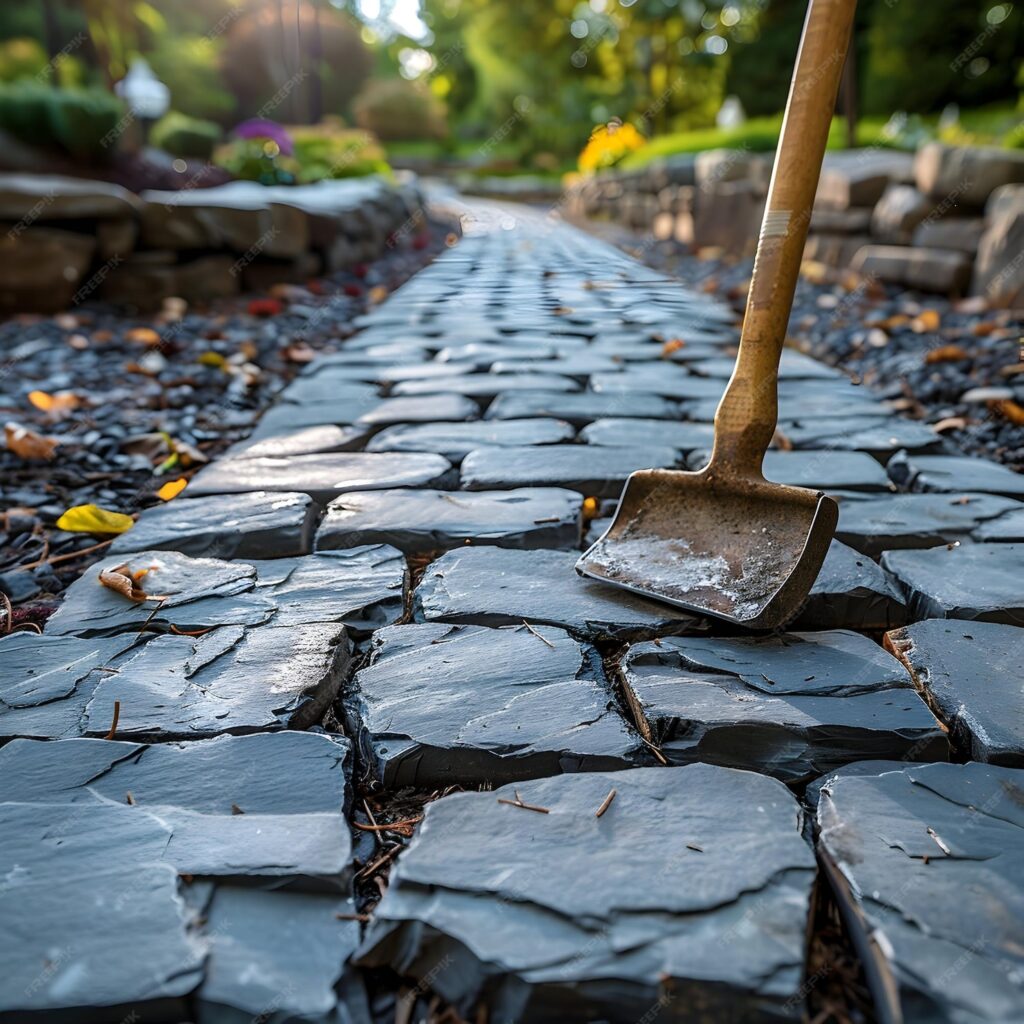
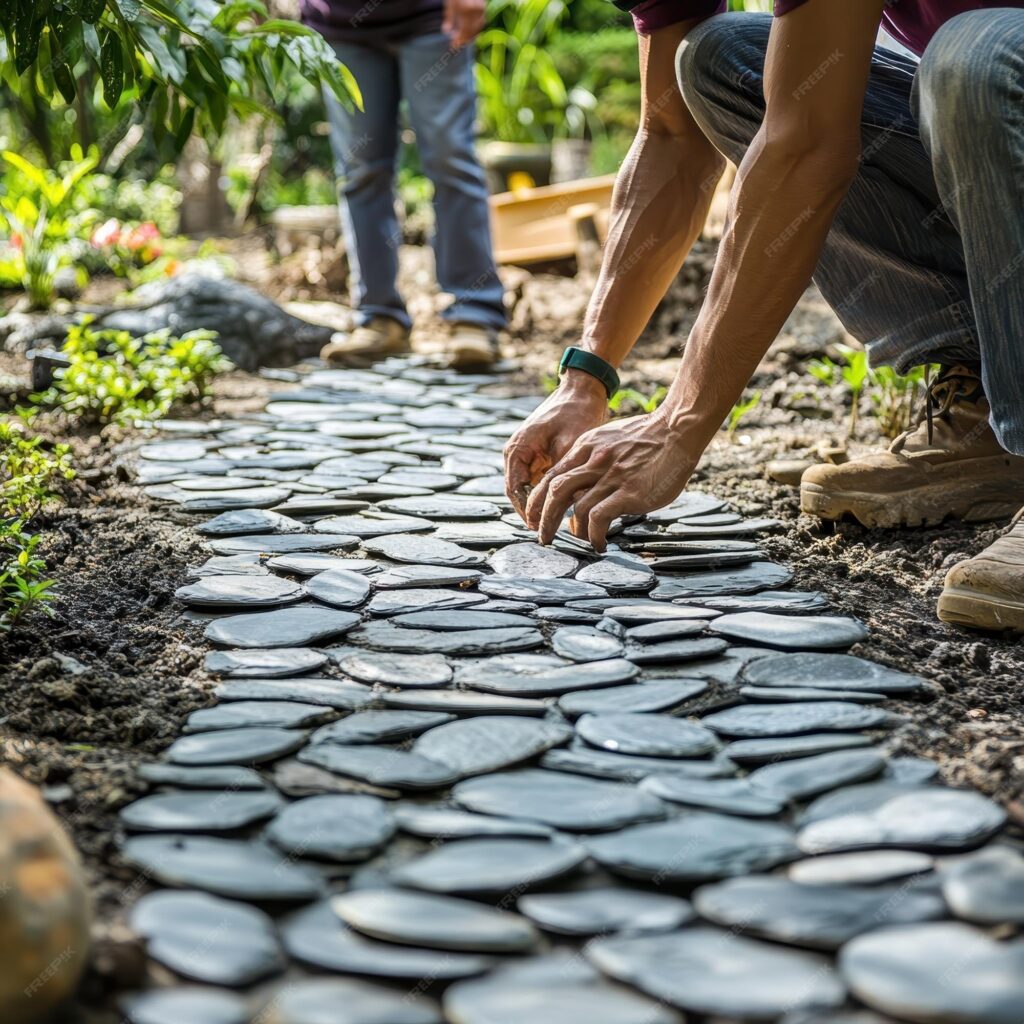
Driveway Cleaning Services Explained in Simple Words
If you haven’t had this type of work done before you might be scratching your head over what you’re actually getting for the money. Here’s a plain English breakdown of what a full driveway cleaning service typically covers:
- Assessment: checking the condition of the blocks, joints, and drainage before starting
- Pre-treatment: applying weed killer or biocide where needed
- Pressure washing: removing surface dirt, stains, and biological growth
- Joint re-sanding: refilling gaps between blocks with kiln-dried sand
- Sealing: applying a sealant to protect the surface once everything is dry
Some outfits offer a clean-only service. Others include sealing as part of the job. Essex Dream Clean brings both together because, honestly, washing a driveway and leaving it unsealed is a bit like cleaning your car on a muddy day and parking it back on the street straight away. It’ll look better for a bit, but not for long.
Benefits of Sealing After Cleaning
The upfront cost of sealing puts some people off. That’s fair enough. But stretched over a few years it generally works out to be the more sensible choice.
A sealed surface stays cleaner between treatments, which means you’re not having to go through the full process as often. The sealant keeps the block colour looking more like it should rather than fading out unevenly. It also locks the jointing sand in place, so weeds find it much harder to push through.
Different sealant finishes suit different tastes. A matt finish keeps things looking natural, like the paving was always that way. A semi-gloss or gloss option brings a slightly wet appearance that some homeowners really like the look of. Either way, the protective benefits are much the same.
A well-sealed driveway typically holds up for three to five years before it needs the full treatment again. That alone tends to make the sealing worthwhile.
Common Problems in Block Paving Driveways
If your driveway is looking worse for wear, it’s usually down to one of a handful of familiar issues.
Weeds
They push up through the joints when the sand between the blocks has washed away or broken down over time. They start small and get steadily worse each season if left alone.
Algae and Moss
Tends to be worse on driveways that face north or sit under tree cover where moisture hangs around. Beyond the look of it, the surface becomes genuinely slippery when wet.
Oil and Fuel Stains
Build up gradually around parking spots. The longer they sit, the further they work their way into the block surface.
Efflorescence
That chalky white residue that sometimes appears across block paving. It comes from natural salts in the materials rising to the surface, usually after wet weather. It looks strange but it can be treated.
Colour Fade and Weathering
Happens slowly with UV exposure and British weather doing their thing year after year. Sealing is the most effective way to slow that down.
Most of these problems are fixable or at least significantly improvable. The main thing is not waiting until they’ve been building for years.
Choosing the Right Driveway Cleaning Service in the UK
There are plenty of people these days advertising pressure washing jobs through social media or leaflets through the door. That doesn’t mean they’re all worth calling.
When picking a driveway cleaning service anywhere in the UK, it’s worth asking a few things. Are they using trade-grade equipment or a machine bought from a DIY shop? Do they pre-treat the surface or just go straight in with the pressure washer? Will they re-sand the joints afterwards? Are they actually insured for the work they’re doing?
It’s also worth checking whether they use a rotary surface cleaner rather than just working across everything with a lance. The rotary gives a much more even result and reduces the risk of streaking or uneven patches on the finished surface.
For homeowners across Essex and nearby areas, using someone local who understands the driveway types and conditions common to the region tends to give better results than someone travelling in to rush through as many jobs as possible in a day.
Frequently Asked Questions
For most driveways, a full treatment every one to two years keeps things in good shape. How often traffic passes over it and how quickly moss or algae comes back will affect that. Sealed driveways can go longer between full cleans.
It isn’t compulsory, but leaving the surface unsealed means it picks up dirt and biological growth noticeably faster. Sealing stretches the time between treatments and keeps the surface looking better through the seasons.
Usually yes, particularly when it hasn’t been left for years. Very heavy build-up on older or more porous block paving might leave some faint discolouration, but proper treatment makes a significant difference either way.
A properly cleaned and sealed driveway holds up well for three to five years before the full treatment is needed again. Occasional light maintenance in between can push that even further.